
Industrial Curing Ovens — Batch and Tunnel
Thermosystems designs, manufactures and installs industrial curing ovens in South Africa — from compact batch ovens for jobbing shops to continuous tunnel ovens integrated into fully automatic coating lines. With over 30 years of oven manufacture, supply and installation behind every project, each oven is engineered around the product being cured, the throughput required and the energy economics of the site.
What a curing oven does
A curing oven raises a coated or treated component to a controlled temperature, holds it there for a set time, and manages the airflow around it so every part of the product reaches the specified metal temperature. In powder coating, this is the step that melts and chemically cross-links the powder into a continuous, hard film — under-cured powder stays soft and chips; over-cured powder discolours and gets brittle. The same controlled-heat principle applies to paint drying and baking, post-curing of composites, heat treatment and general process heating.
Batch ovens
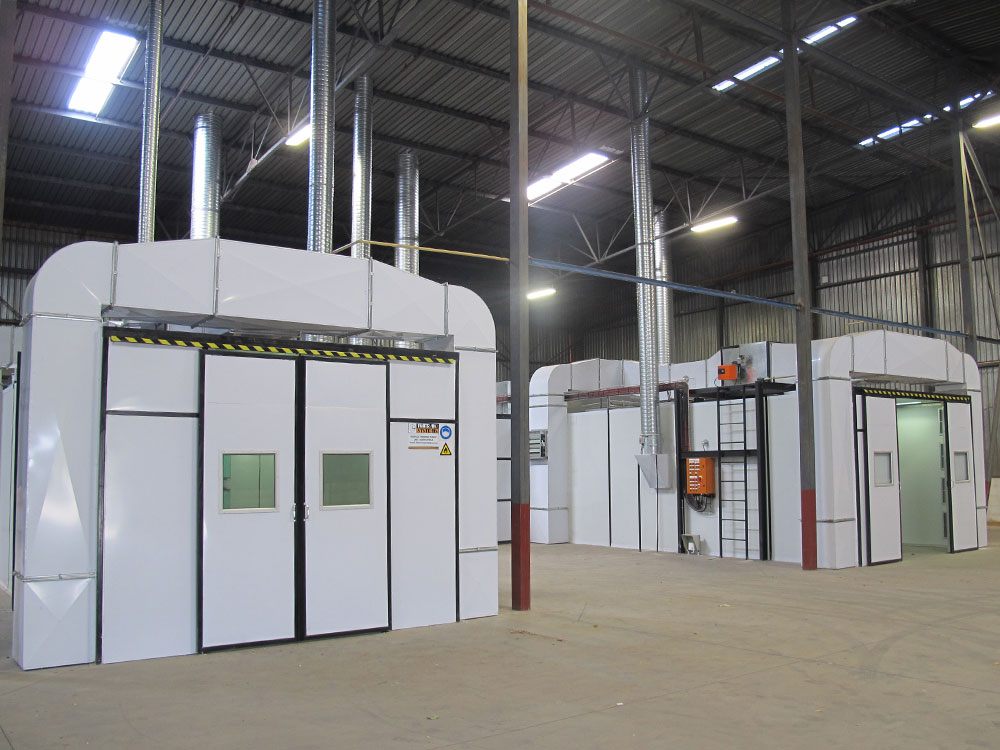
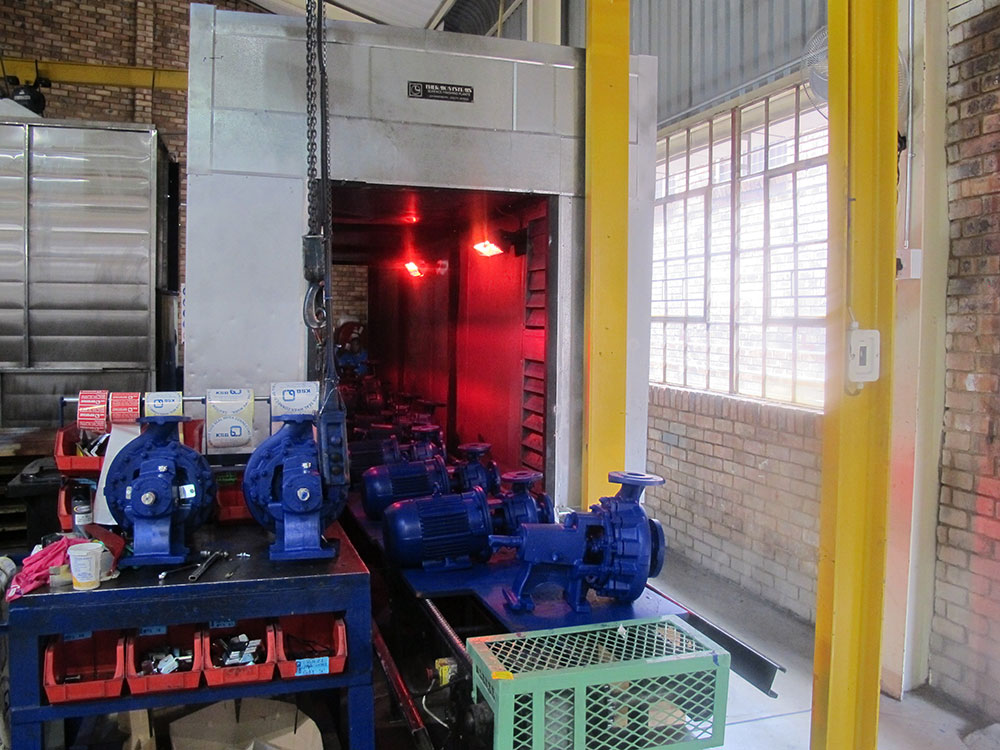
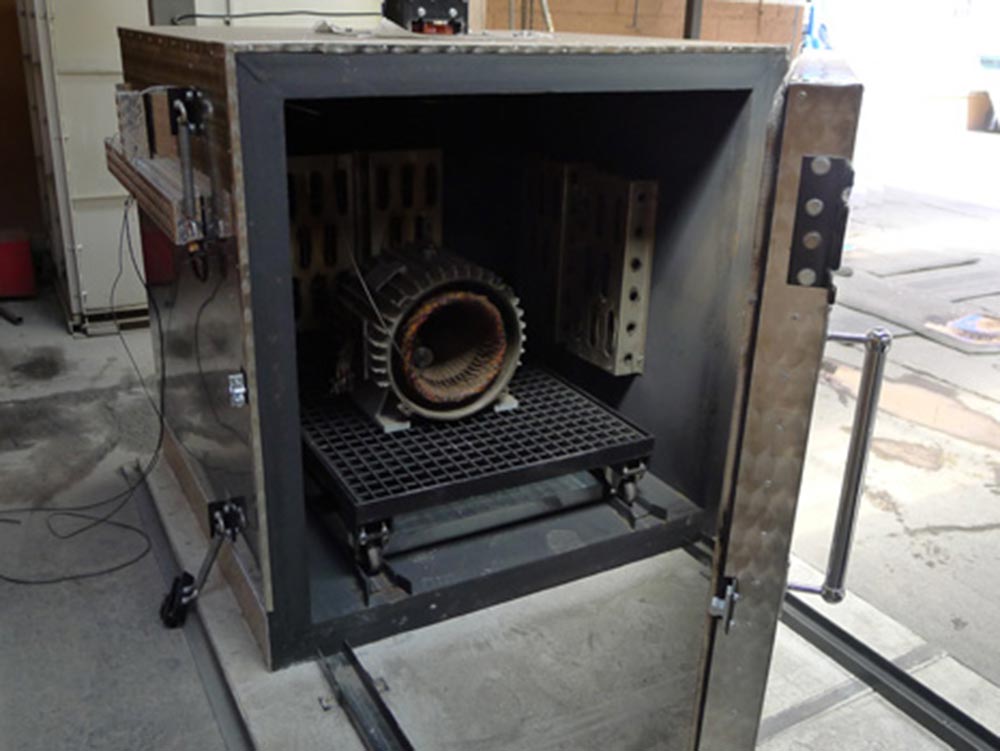
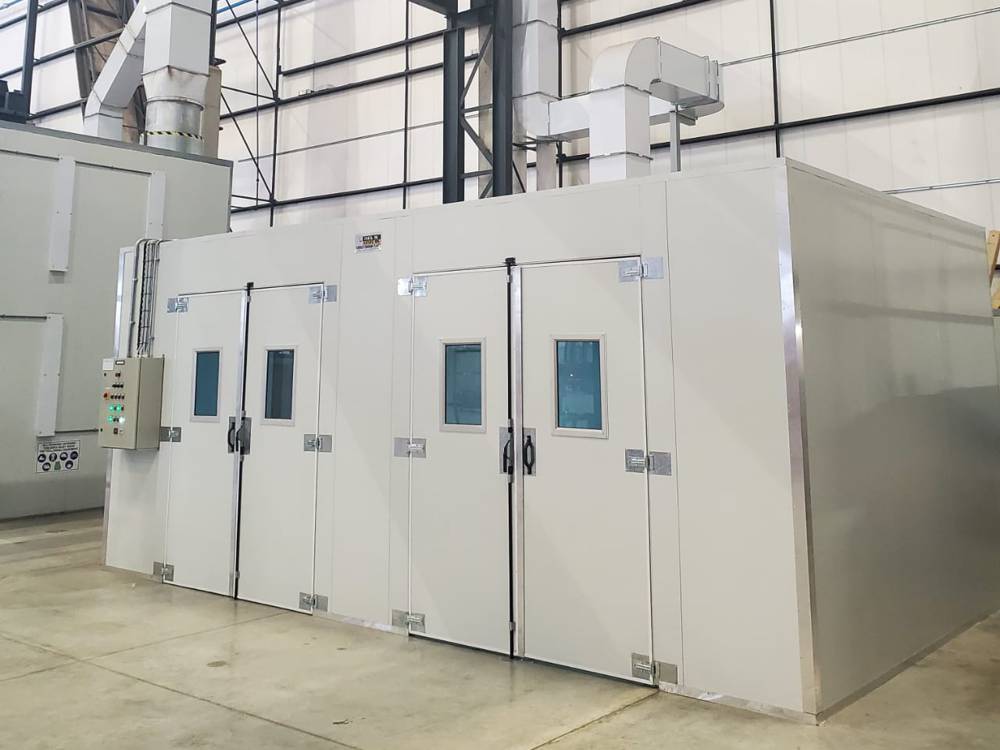
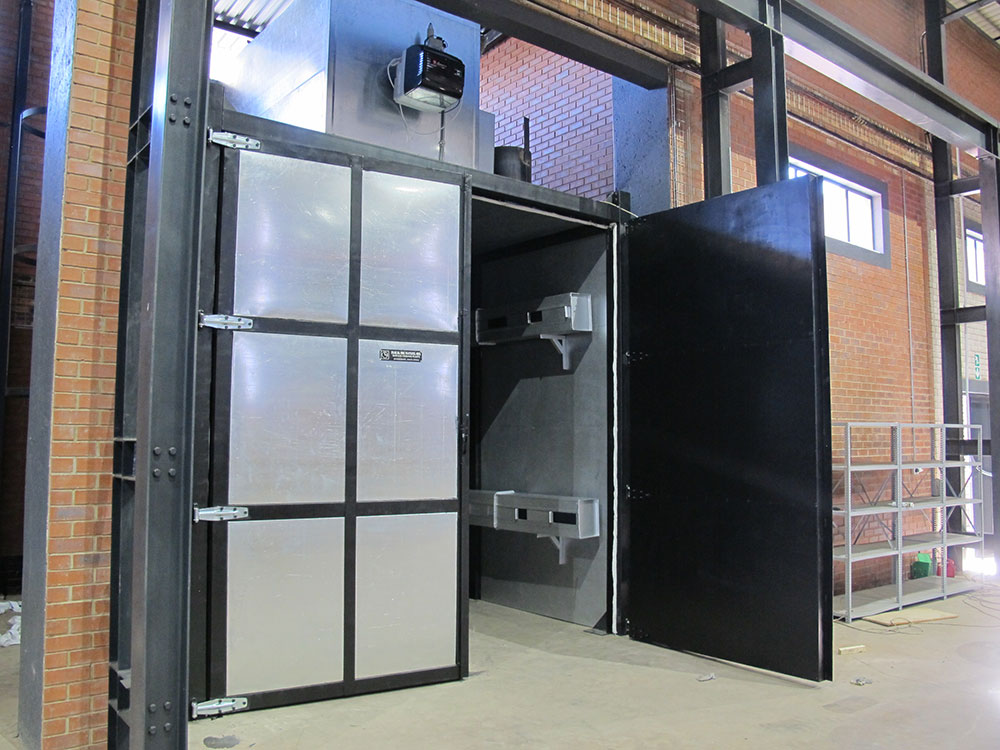
Batch curing ovens suit jobbing work, mixed product ranges and lower volumes. Components are loaded on trolleys or hung on racks, the cycle is run, and the oven is unloaded — simple, flexible and economical. Thermosystems batch ovens are of modular panel construction, which means the oven size is built to your components and available floor space rather than off-the-shelf dimensions, and the oven can be relocated or extended later.
Tunnel and continuous ovens
For production lines, a tunnel oven cures components continuously as a conveyor carries them through heat-up, hold and cooling zones. Tunnel ovens are sized from line speed, product mass and cure schedule, and are the standard solution inside automatic powder coating plants and conveyorised paint lines. Thermosystems supplies tunnel curing ovens as part of complete powder coating plants or as standalone replacements into existing lines.
Heating options: gas, diesel, electric or hot water
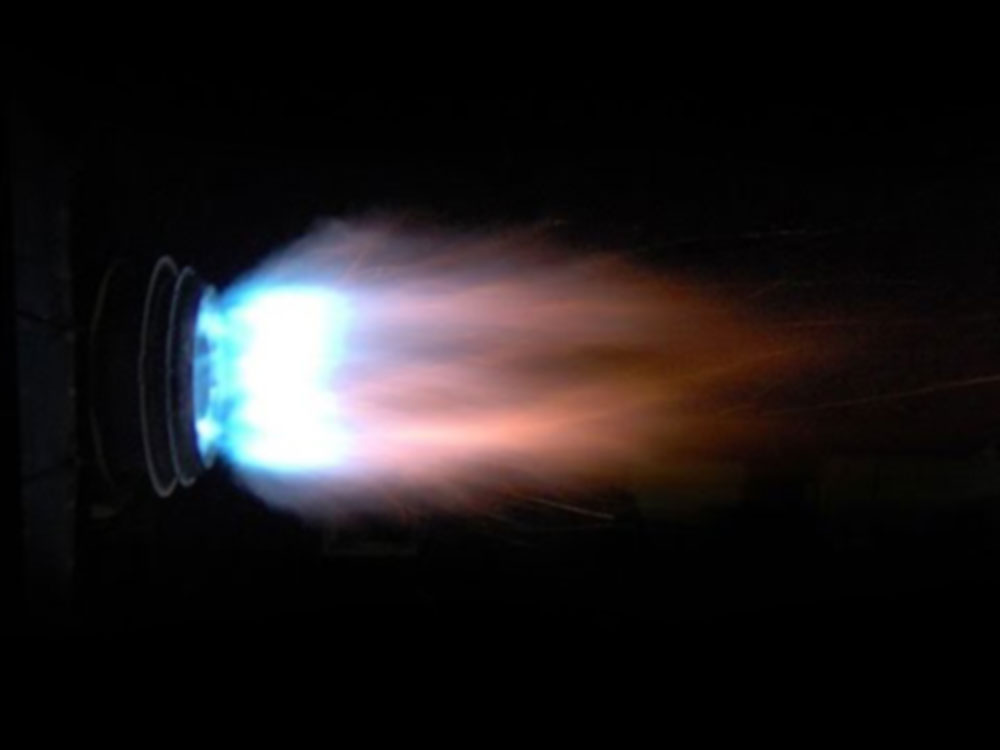
Every Thermosystems oven is available with the heating medium that makes economic sense for the site: natural gas or LPG, diesel, electric elements, or hot-water coil where waste heat or existing boilers can be used. Standard builds cover process temperatures up to 220 °C — comfortably above typical powder cure schedules — with higher-temperature designs available for heat-treatment duties. Burner and element selection is driven by the required process temperature, local energy costs and what services exist on site — on most production duties, fuel selection makes a bigger difference to lifetime running cost than any other single design decision. Efficient combustion design and oven insulation minimise energy use during production.
Temperature uniformity and control
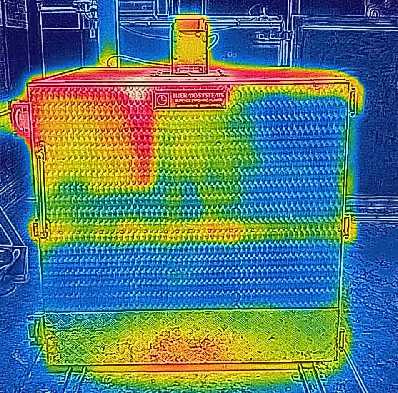
A cure schedule is only as good as the oven’s uniformity — cold corners produce under-cured product. Thermosystems ovens manage recirculating airflow, ducting placement and burner control to hold the whole load at specification through the full cycle, including ramped heating profiles for products that can’t tolerate thermal shock, and purge cycles that clear airborne volatiles from paint vapour and combustion gases before and during the cycle.
Common applications
- Powder coating curing — the largest application; typical powder cure schedules run around 180–200 °C metal temperature for 10–20 minutes, always per the powder manufacturer’s datasheet
- Paint drying and baking after wet spray, in line with our spraybooths
- Post-curing of composites and rubber
- Process and heat-treatment ovens for manufacturing steps that need controlled heat
- Surface drying after pre-treatment, ahead of powder application
Why oven design matters for coating quality
The oven is where coating quality is finally decided. Gloss level, adhesion, hardness, flexibility and corrosion resistance all depend on the powder or paint reaching its full cure — and powder manufacturers’ warranties are written against their published cure schedule, measured at the metal, not at the air. An oven that can’t hold the load at schedule produces coatings that look right on the day and fail in service. Correct oven sizing, airflow design and control are therefore not a comfort feature; they are what makes the difference between a coating that meets its datasheet and one that doesn’t.
Design, manufacture, installation and commissioning
Thermosystems handles the complete project: process assessment and oven sizing, modular manufacture, site installation, commissioning to temperature specification, and ongoing maintenance and spares. Ovens integrate with our pre-treatment plants, spraybooths and powder application equipment for turnkey coating plants.
Curing Oven FAQ
What is a curing oven?
An industrial oven that heats coated or treated components to a controlled temperature for a set time so the coating cures (cross-links) or the process completes. In powder coating, the oven melts and cures the powder into its final hard film.
What temperature does a powder coating oven run at?
Most powder systems cure at around 180–200 °C metal temperature for 10–20 minutes, but the exact schedule comes from the powder manufacturer’s datasheet and the mass of the product. Thermosystems ovens are specified to reach and hold the schedule with margin — standard builds run up to 220 °C, with higher-temperature designs for heat-treatment duties.
What is the difference between a batch oven and a tunnel oven?
A batch oven cures a static load per cycle — flexible and economical for mixed or lower-volume work. A tunnel oven cures continuously on a conveyor and suits production lines. The choice follows volume and product mix.
Gas, diesel or electric — which heating is best?
Whichever is most economical for your site and process temperature. Gas usually gives the lowest running cost where available; electric suits smaller ovens and sites without gas; diesel and hot-water coil cover sites with those services. Thermosystems builds all four.
What size curing oven do I need?
Size follows your largest product, racking or conveyor method, and throughput. Modular construction means ovens are built to your dimensions rather than standard sizes.
How is temperature uniformity maintained?
Recirculating airflow, correctly positioned ducting and burner control hold the whole load at specification; ramped profiles and volatile purge cycles are available for sensitive products.
Can an oven be integrated into an existing coating line?
Yes — tunnel ovens are regularly built into existing conveyor lines, and batch ovens added alongside existing booths. Thermosystems handles design, installation and commissioning.
Do you service and maintain curing ovens?
Yes — maintenance, burner servicing and spares for Thermosystems equipment, with over 30 years of oven manufacture and installation experience in South Africa.